Sebaceous Hyperplasia
Gentle, effective treatment to improve skin clarity and minimize visible bumps.
Share:
Copy Link
Condition Overview
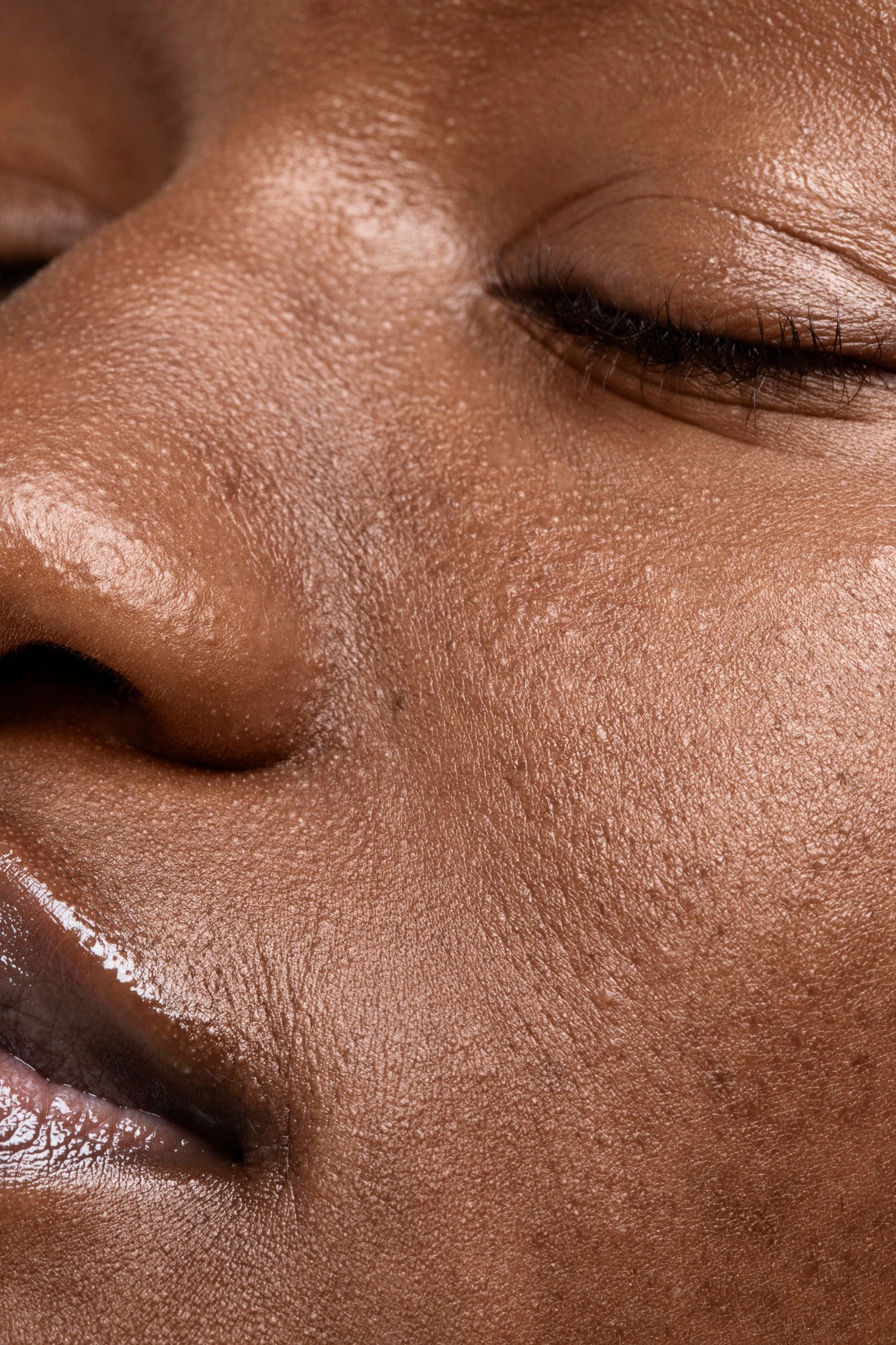
Sebaceous hyperplasia occurs when sebaceous (oil) glands become enlarged, forming small, soft bumps on the skin. Typically seen on the face, these lesions are benign but can affect overall skin texture and appearance.
Signs & Symptoms
Small flesh-toned or yellow bumps
Central indentation
Smooth, soft texture
Common on forehead and cheeks
Why It Happens
Enlarged oil glands
Aging
Genetics
Oily skin
Hormonal influence

Available Treatments


When to Take the Next Step
Sebaceous hyperplasia is benign, but persistent or visible bumps can affect overall skin texture and appearance. Professional treatment helps refine the skin and ensure an accurate diagnosis.
Signs It’s Time for a Visit
If symptoms persist, consider a professional evaluation.
New or increasing bumps on the face
Lesions that resemble acne but do not resolve
Changes in size or appearance
Cosmetic concerns affecting skin confidence
Uncertainty about a skin lesion
This May Be Right For You
Active Treatment
1–2 Weeks
Most patients see visible improvement, with consistency key to lasting results