Dermatosis Papulosa Nigra

Precise, skin-tone–conscious removal of benign growths to refine and smooth your skin.

Share:

Copy Link

Condition Overview

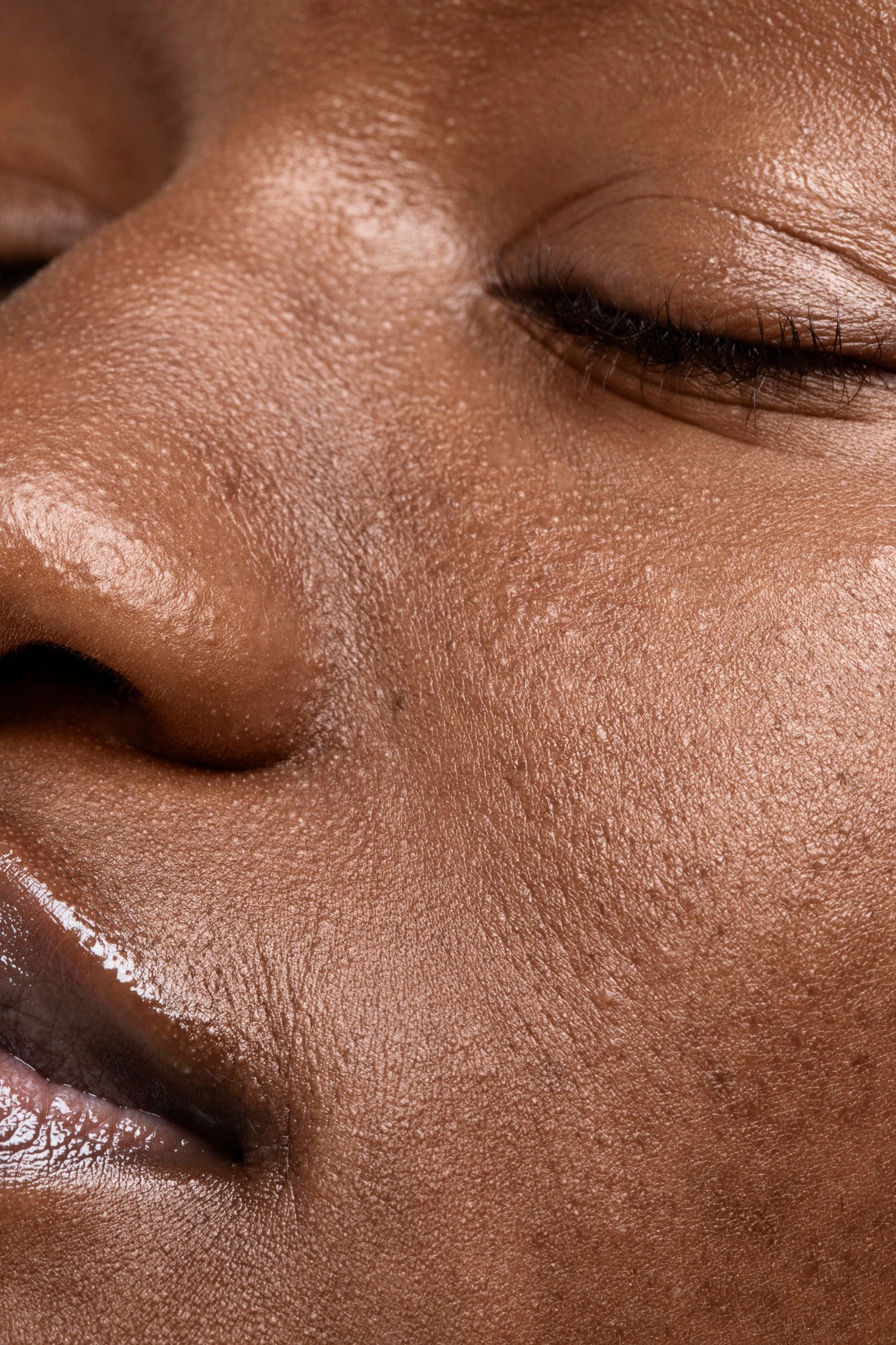
Dermatosis papulosa nigra (DPN) is a benign skin condition characterized by small, dark papules commonly found on the face, especially around the cheeks and eyes. These growths are more prevalent in darker skin tones and are often treated for cosmetic refinement.

Signs & Symptoms

  • Small, dark raised papules

  • Smooth or slightly textured raised skin surface

  • Common on the cheeks and around the eyes area

  • Gradual increase in number

Why It Happens

  • Genetic predisposition

  • More common in darker skin tones

  • Age-related development

  • Benign skin growth process

This May Be Right For You

Aesthetic Concerns

You’d like to reduce visible papules affecting your skin’s appearance.

Aesthetic Concerns

You’d like to reduce visible papules affecting your skin’s appearance.

Texture Improvement

You want to refine uneven areas and smooth the skin texture.

Texture Improvement

You want to refine uneven areas and smooth the skin texture.

Skin-Tone Sensitive Care

You prefer tailored treatment to minimize pigment change.

Skin-Tone Sensitive Care

You prefer tailored treatment to minimize pigment change.

Active Treatment

1–2 Weeks

Most patients see visible improvement, with consistency key to lasting results.

What to Know Before Your Visit

Are DPN lesions dangerous?

No. Dermatosis papulosa nigra lesions are benign and do not pose any significant health risk.

Are DPN lesions dangerous?

No. Dermatosis papulosa nigra lesions are benign and do not pose any significant health risk.

Will removal cause scarring?

When performed properly, the risk of scarring is minimal, with care taken to preserve skin tone.

Will removal cause scarring?

When performed properly, the risk of scarring is minimal, with care taken to preserve skin tone.

Can new lesions develop after treatment?

Yes. While treated lesions do not return, new ones may gradually develop over time with aging.

Can new lesions develop after treatment?

Yes. While treated lesions do not return, new ones may gradually develop over time with aging.

Book Your Visit

Take the First Step

Start With Guidance

Let’s Build Your Plan

Book Your Visit

Take the First Step

Start With Guidance

Let’s Build Your Plan

Book Your Visit

Take the
First Step

Start With Guidance

Let’s Build Your Plan